August 13, 2026 · 6 min read · Babar Baig
The Biggest Missed Opportunity in Museum Education Happens After the Visit
Museums invest heavily in the visit itself, but the moment the school bus leaves is often where engagement ends. What if leaving the museum was the beginning of the next stage?
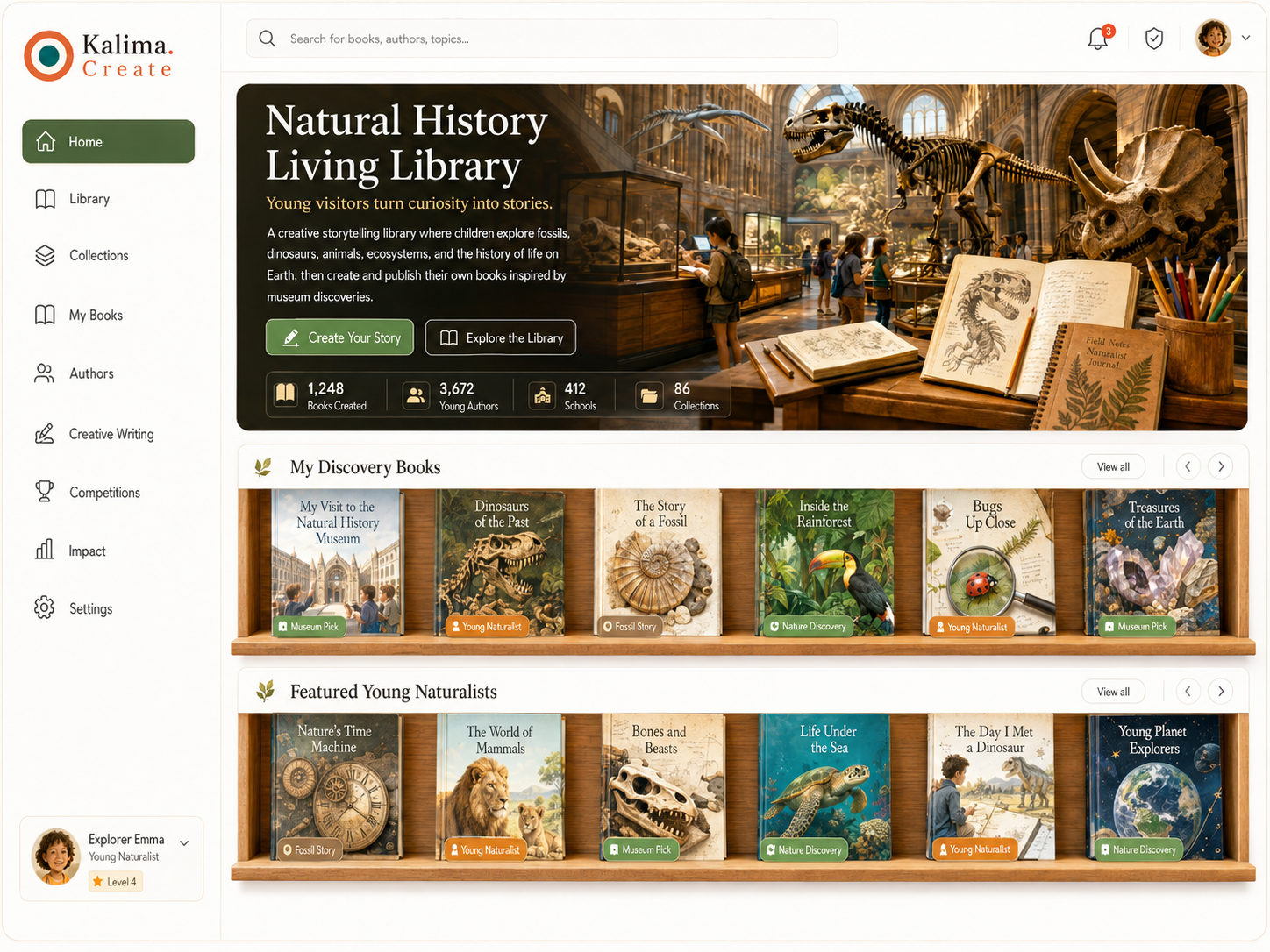
The biggest missed opportunity in museum education may happen after the visitor leaves.
From my conversations with museum educators over the past few months, I've become increasingly interested in one question:
Museums invest enormous amounts of thought, creativity, and resources into the visitor experience.
Exhibitions are carefully designed. School programmes are developed. Educators guide students through collections. Interactive experiences bring objects and stories to life.
But then the visit ends.
The school bus leaves. The children go home. And too often, the relationship between the young visitor and the museum ends there too.
What if leaving the museum was actually the beginning of the next stage of engagement?
Imagine a child visiting a natural history museum and afterwards creating their own book about an animal that fascinated them.
Or visiting a heritage site and documenting a family story connected to that history.
Or exploring an art exhibition and creating a story inspired by one of the works.
Those creations don't have to disappear into a classroom assignment.
Selected stories, books, drawings, photographs, and reflections could become part of the museum itself, displayed physically, shared digitally, or collected in an online children's library.
Over time, something interesting happens.
The museum begins building a living cultural archive: a growing collection of how children and families interpret its collections, heritage, science, art, and stories.
The museum is no longer only preserving the stories of the past.
It is also preserving the voices of the next generation.
And perhaps that's one of the biggest opportunities in museum education: extending the experience beyond the visit and giving young visitors a meaningful way to contribute.
Natural history museums are a perfect starting point
With WriteReader, I've seen that animals and dinosaurs consistently rank among children's favorite book topics. Natural history museums can build on this curiosity, turning a visit into stories and books that become part of a Living Library of young voices.
This approach also supports the work we do with museums on participatory storytelling programmes and on measuring educational impact beyond visitor numbers. When children create content after a visit, the museum gains measurable, lasting outcomes, not just foot traffic.
From visitors to contributors
The idea is simple: every young visitor leaves with something they created, and the best of those creations become part of the institution's ongoing narrative.
That shift, from consumer to contributor, is what turns a one-time visit into a long-term relationship with culture, heritage, and place.
Book a free pilot conversation if you want to explore how your museum can keep young visitors engaged after they leave.
Want to bring participatory storytelling to your institution?
Explore a PilotRelated reading
- How Museums Can Measure Educational Impact Beyond Visitor NumbersVisitor numbers show who came, not what changed. Here are the participation metrics museums can use to measure real educational impact — and build a living cultural archive.
- Pre-Visit Engagement: How Museums Should Prepare Children Before They ArriveThe museum visit often begins too late. Here's why pre-visit engagement makes children's museum experiences richer, more inclusive, and more memorable.
- From Visitors to Storytellers: How Museums Can Rebuild Cultural Participation for the Young GenerationMuseums no longer compete for attention with other museums, they compete with everything on a phone. Here is how participatory storytelling turns a one-hour visit into a published book, a classroom project, and a lasting cultural memory.