July 26, 2026 · 5 min read · Babar Baig
How Museums Can Measure Educational Impact Beyond Visitor Numbers
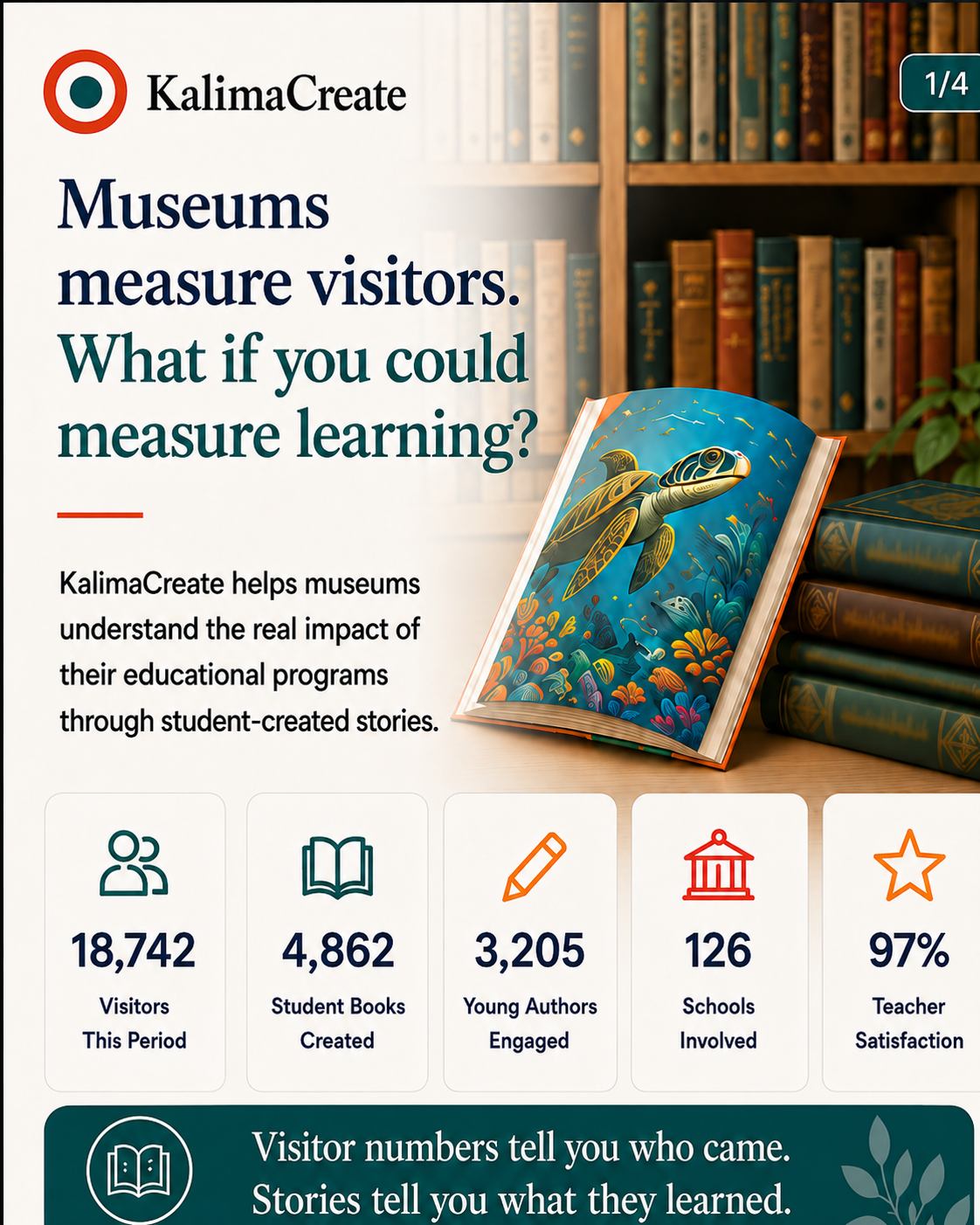
Visitor numbers show who came, not what changed. Here are the participation metrics museums can use to measure real educational impact — and build a living cultural archive.
In February, I visited a prominent flagship museum, and I was struck by the number of school groups exploring the galleries. I commented to one of the museum educators, "It's fantastic to see so many children here." She smiled and replied, "Yes, it really helps with our visitor numbers."
That conversation stayed with me. Visitor numbers are an important indicator of a museum's reach, but they don't tell the whole story. Beyond counting how many children walked through the doors, how can we understand what they learned, what sparked their curiosity, and what they remembered long after they left? As museums continue to evolve as places of learning, perhaps the next measure of success isn't just attendance — it's educational impact.
For decades, museums have measured success using familiar metrics:
Visitor numbers
Ticket sales
Memberships
School visits
Event attendance
These are important. But they only tell us who came. They don't tell us what changed.
As museums increasingly position themselves as places of learning, participation, and community engagement, the question is shifting from "How many visitors did we have?" to "What impact did we create?"
The challenge
Educational impact is difficult to measure. A child may spend an hour in a museum, but how do we know:
What they learned?
What inspired them?
What they remembered?
Whether they shared the experience with others?
Whether they returned?
Traditional surveys capture opinions. Attendance captures participation. Neither captures learning.
Measuring participation instead of consumption
Museums are increasingly moving towards participatory experiences. Instead of asking visitors simply to observe collections, they invite them to create, contribute, and respond.
These creative outputs provide something valuable. They become evidence of learning.
When a child creates a story inspired by an exhibition, they reveal:
what they understood
what captured their imagination
how they interpreted the collection
what they considered important enough to remember
Instead of measuring what children looked at, we begin measuring what they created.
New metrics museums can collect
Imagine being able to report:
Number of stories created
Number of young authors
Schools participating
Average engagement time
Languages used
Books published
Family participation
Returning schools
Regional participation
Favourite exhibition themes
Collection objects most frequently referenced
Repeat creative contributions
These metrics paint a much richer picture of educational impact than visitor numbers alone — and they capture every learner, including the children who are hardest to reach through traditional formats. That is one reason inclusive museum learning and impact measurement belong in the same conversation.
Creating a living cultural archive
One of the most exciting opportunities is that educational outcomes don't have to disappear after the visit.
Every story, drawing, photograph, or digital publication created by visitors can become part of a growing archive. Over time, museums build something unique: a collection created about their collections — an archive that reflects how each new generation experiences culture, history, science, and heritage.
The museum preserves not only objects, but also the voices inspired by them.
A new definition of impact
Perhaps the most meaningful measure isn't simply how many people visited. It's how many people left wanting to create.
Museums have always preserved our past. Increasingly, they also have an opportunity to inspire the stories that shape our future.
We're currently looking for one museum to co-develop a next-generation educational impact framework that goes beyond attendance and demonstrates how visitors learn, create, and engage with culture. Feel free to reach out.
Want to bring participatory storytelling to your institution?
Explore a PilotRelated reading
- The Biggest Missed Opportunity in Museum Education Happens After the VisitMuseums invest heavily in the visit itself, but the moment the school bus leaves is often where engagement ends. What if leaving the museum was the beginning of the next stage?
- Pre-Visit Engagement: How Museums Should Prepare Children Before They ArriveThe museum visit often begins too late. Here's why pre-visit engagement makes children's museum experiences richer, more inclusive, and more memorable.
- From Visitors to Storytellers: How Museums Can Rebuild Cultural Participation for the Young GenerationMuseums no longer compete for attention with other museums, they compete with everything on a phone. Here is how participatory storytelling turns a one-hour visit into a published book, a classroom project, and a lasting cultural memory.