September 30, 2026 · 4 min read · Babar Baig
Stories of Al Madinah: How 200+ Children Became Storytellers of Saudi Heritage
During Saudi National Day celebrations at Al Mughaisilah, more than 200 children explored Saudi culture, identity and shared values — creating digital books and printed keepsakes as young authors.
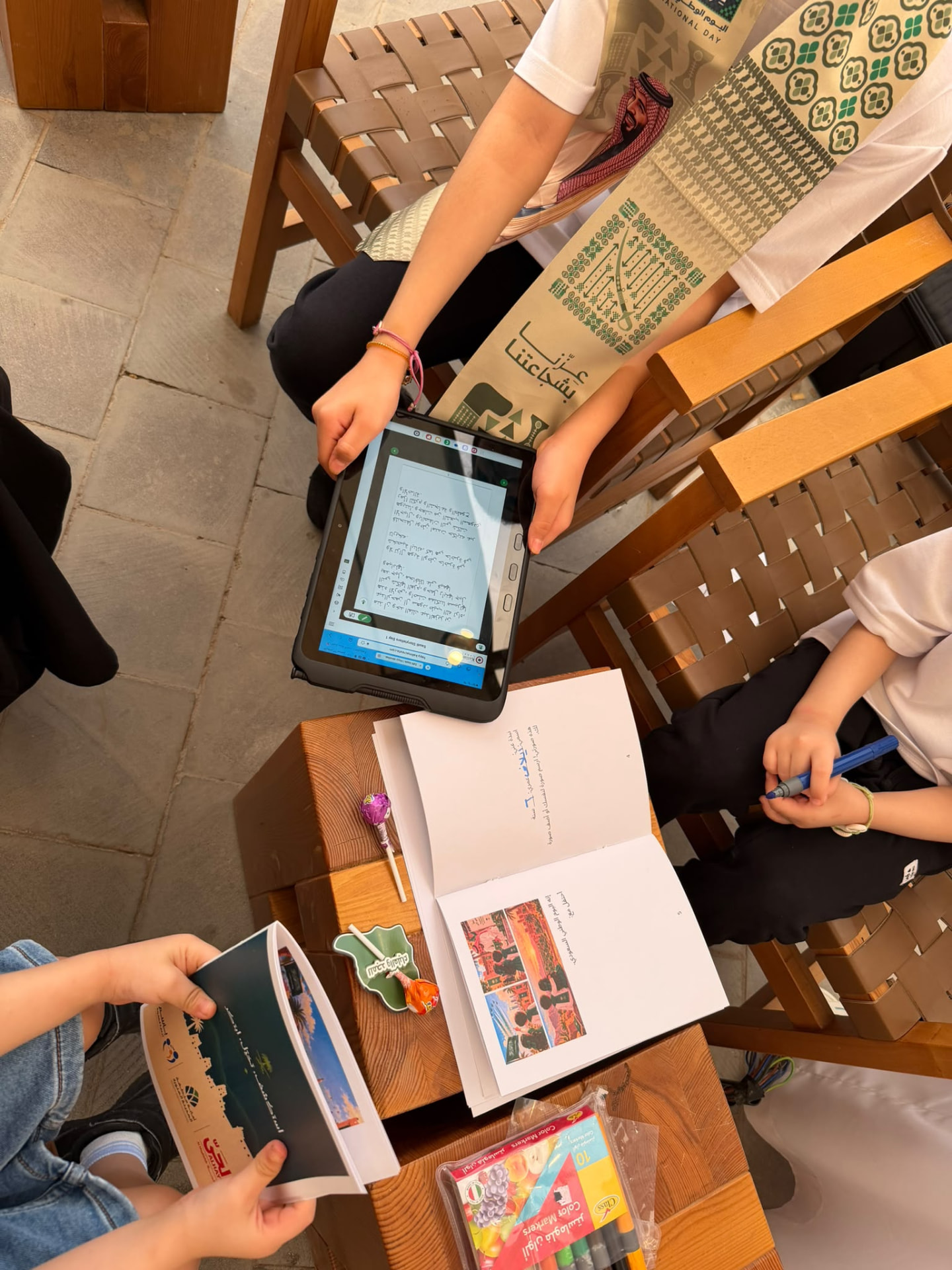
Seeing children writing, drawing, and holding their finished stories was a powerful reminder of what we are building: experiences that turn young visitors from passive audiences into creators.
Three days in Al Madinah. Amid the vibrant atmosphere of Saudi National Day celebrations at Al Mughaisilah, our activation brought together more than 200 children to explore Saudi culture, identity, and shared values through creative writing and storytelling.
In civic and heritage celebrations, children are often invited to watch, listen, or receive souvenirs. In Al Madinah, under the National Day theme “عزّنا بطبعنا”, we flipped that script: what happens when children are given the tools, the space, and the encouragement to document their own reflections on their heritage?

Moving from imagination to tangible creation
Children explored Saudi heritage through two complementary mediums:
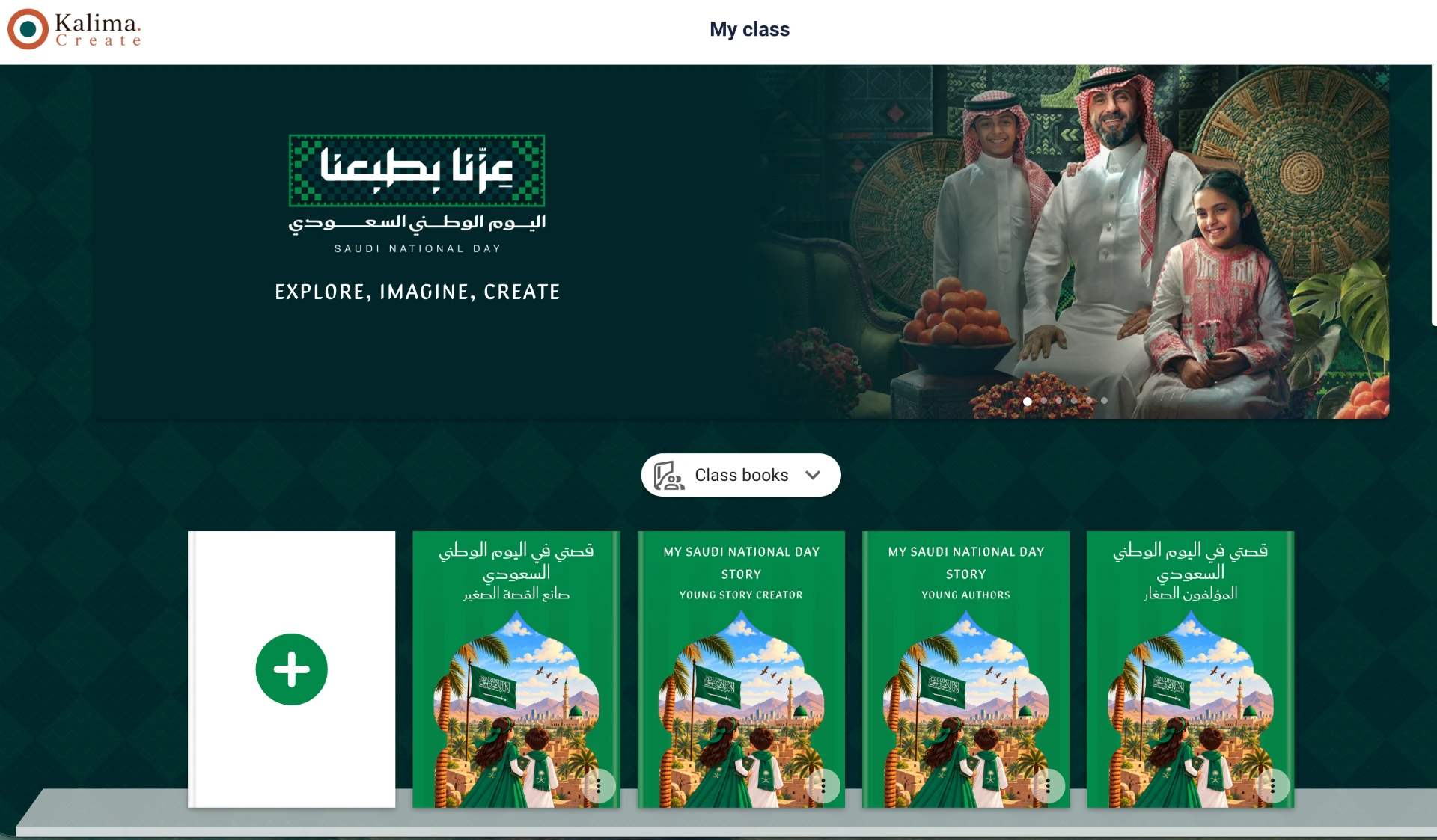
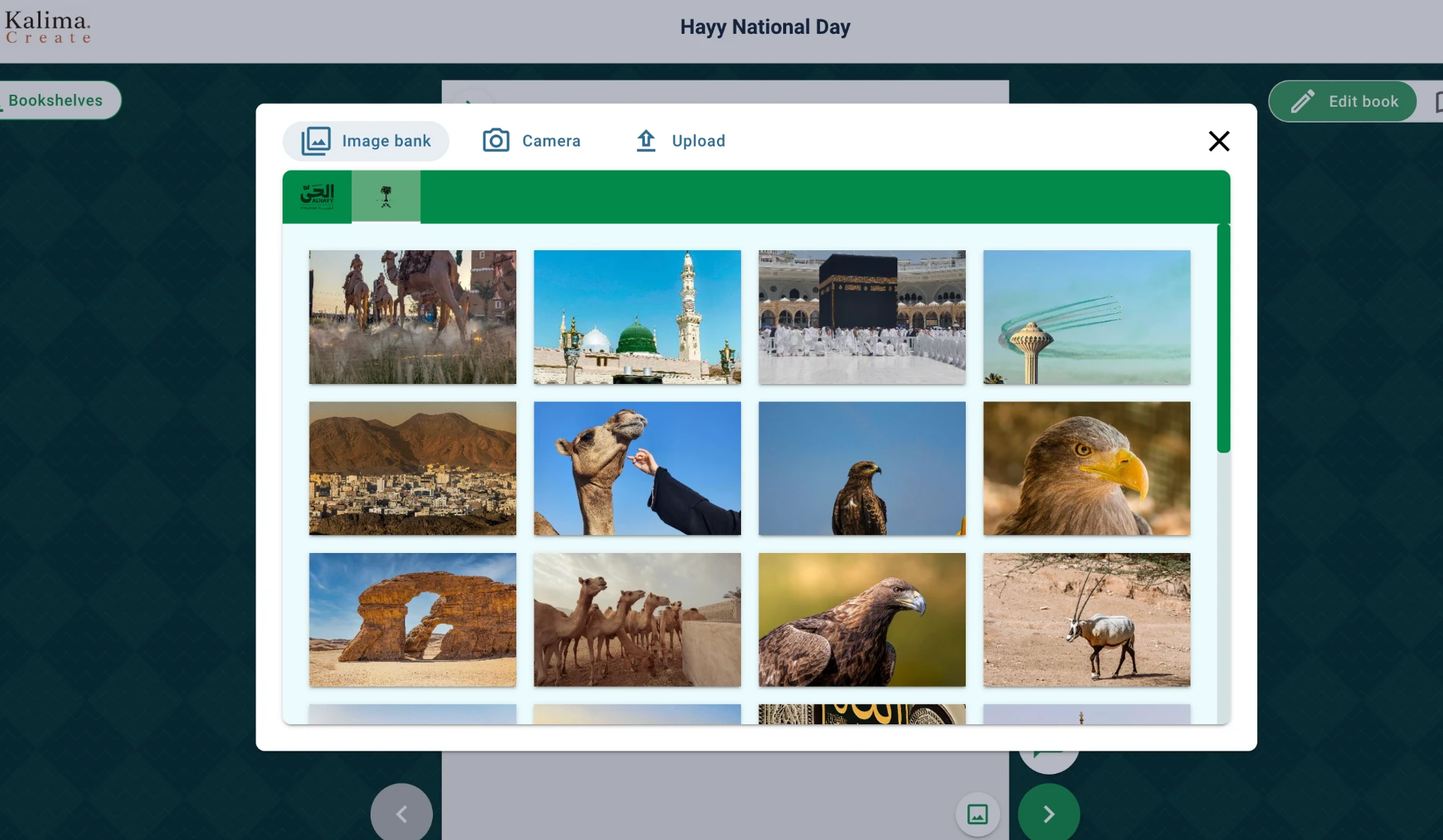
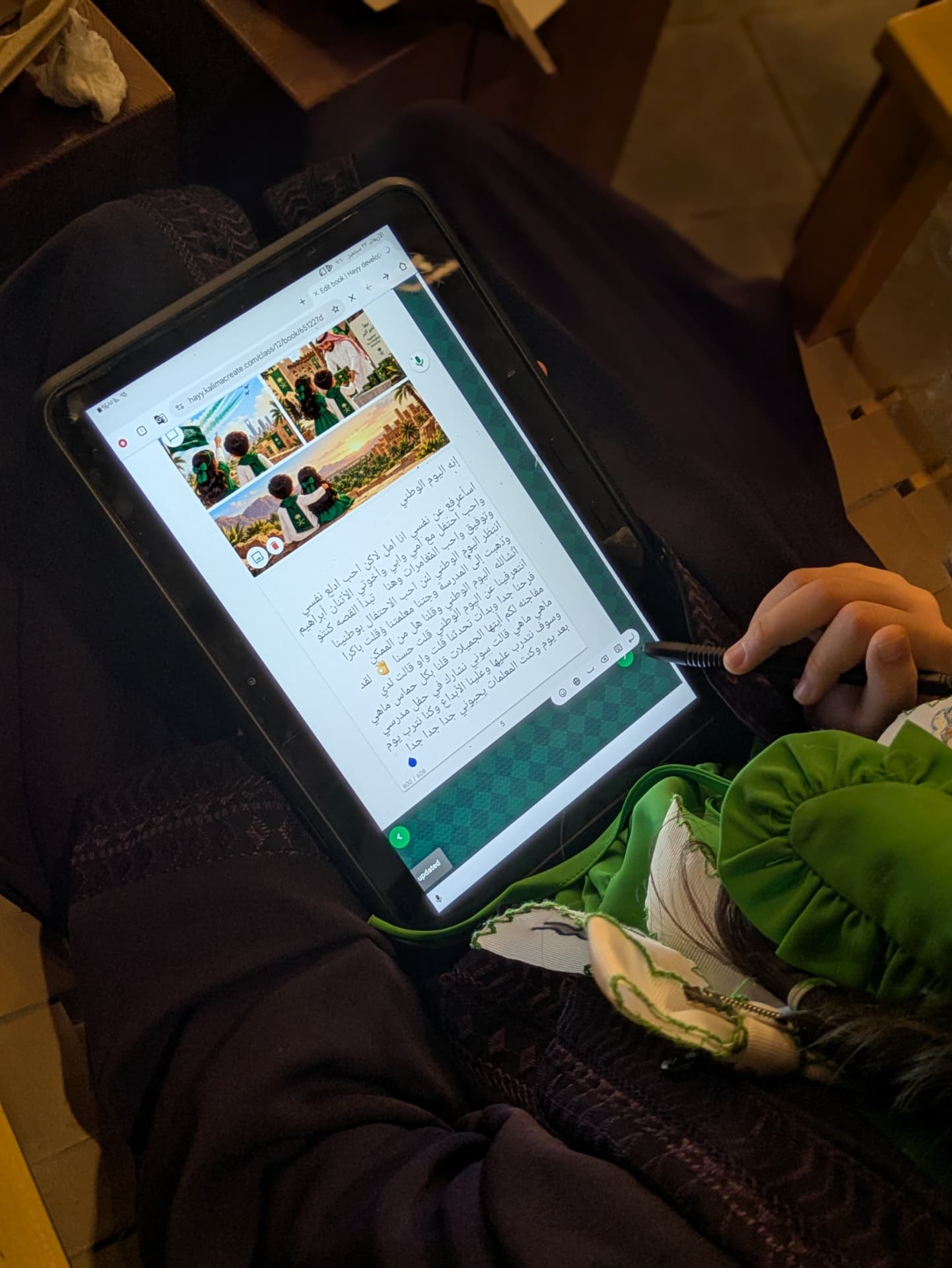
- Digital storytelling: creating personalized digital books using child-friendly tools with curated cultural image banks — local architecture, regional wildlife, and historical landmarks — giving young authors authentic cultural assets to weave into their narratives.
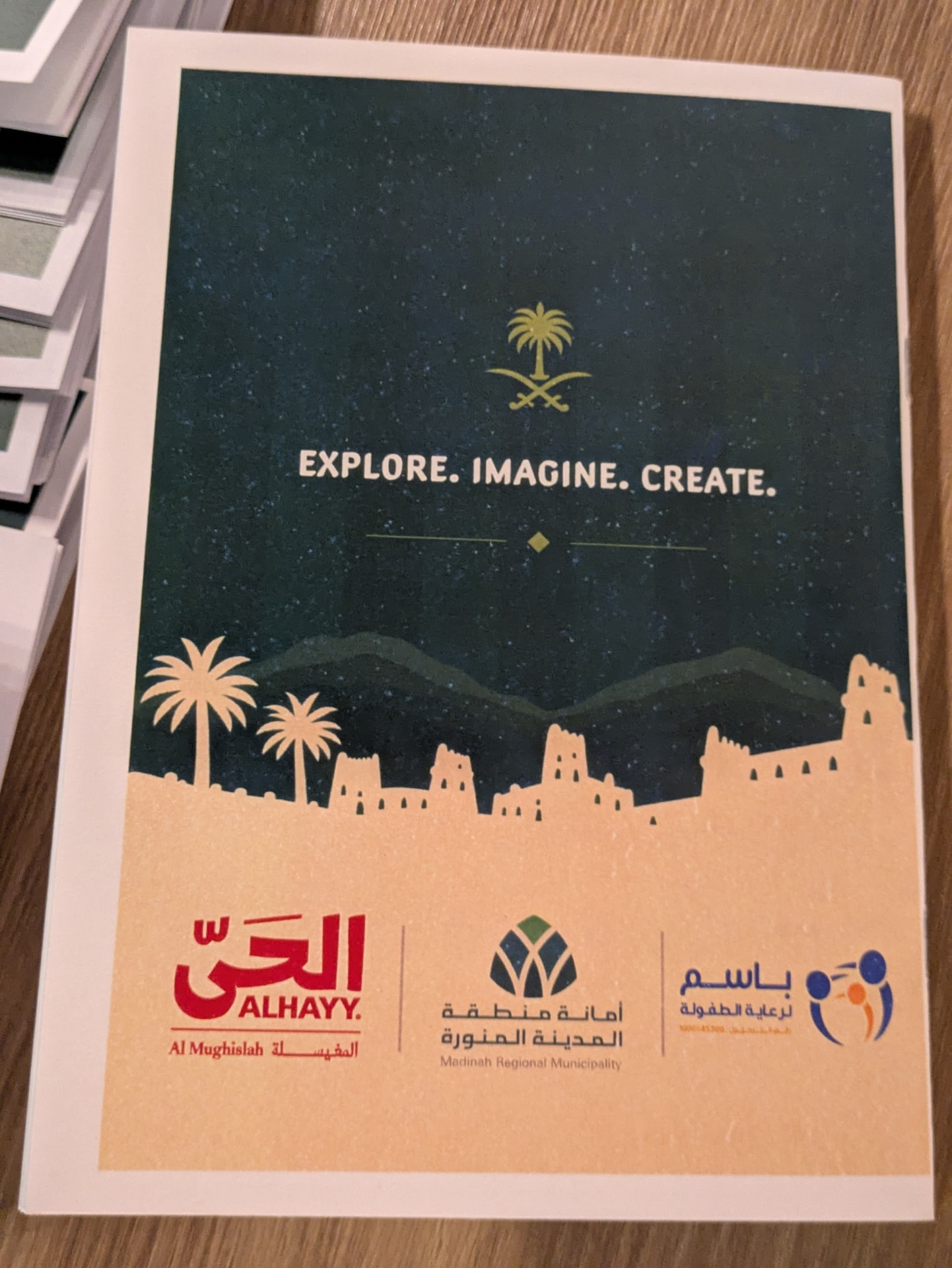
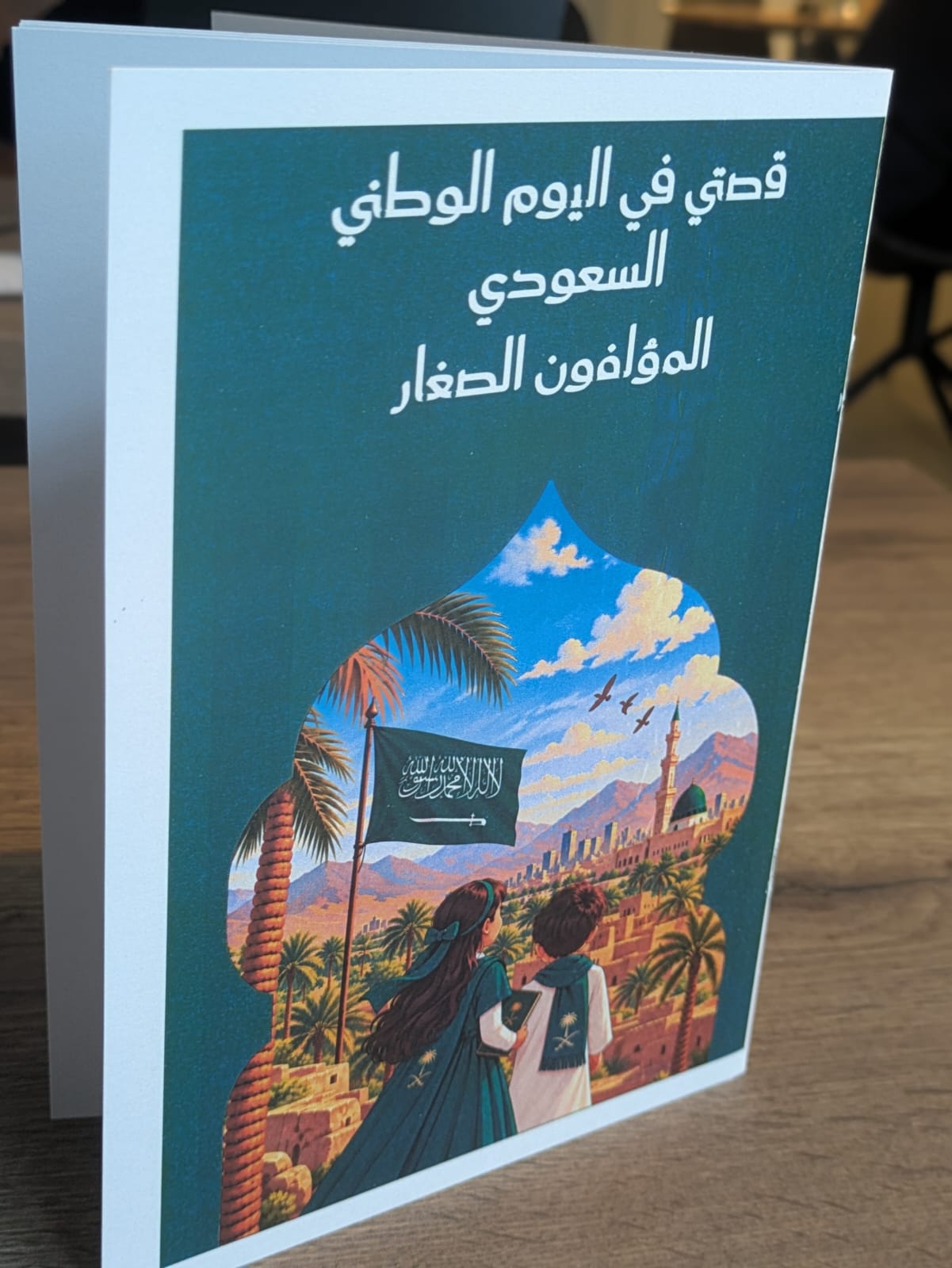
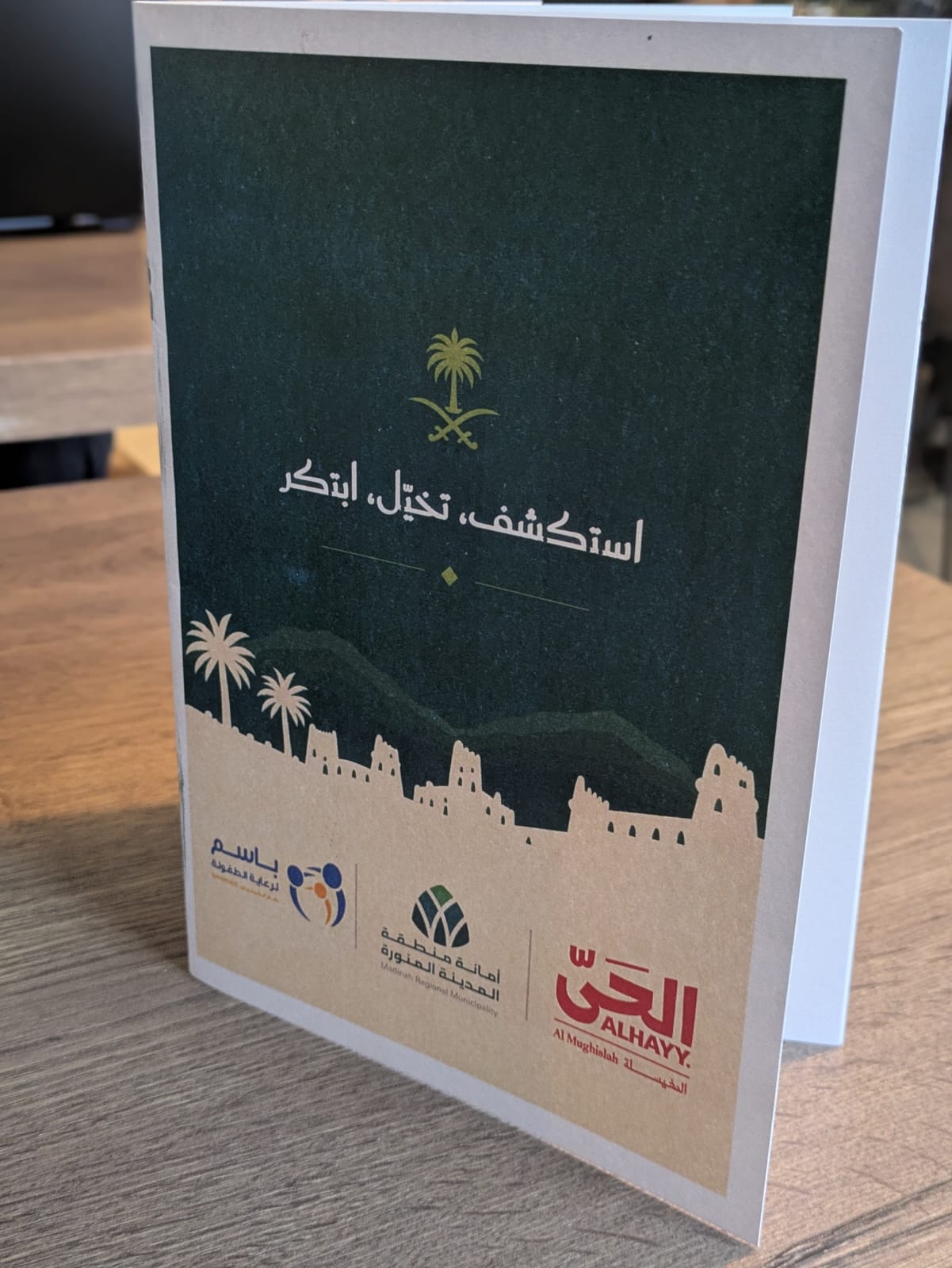
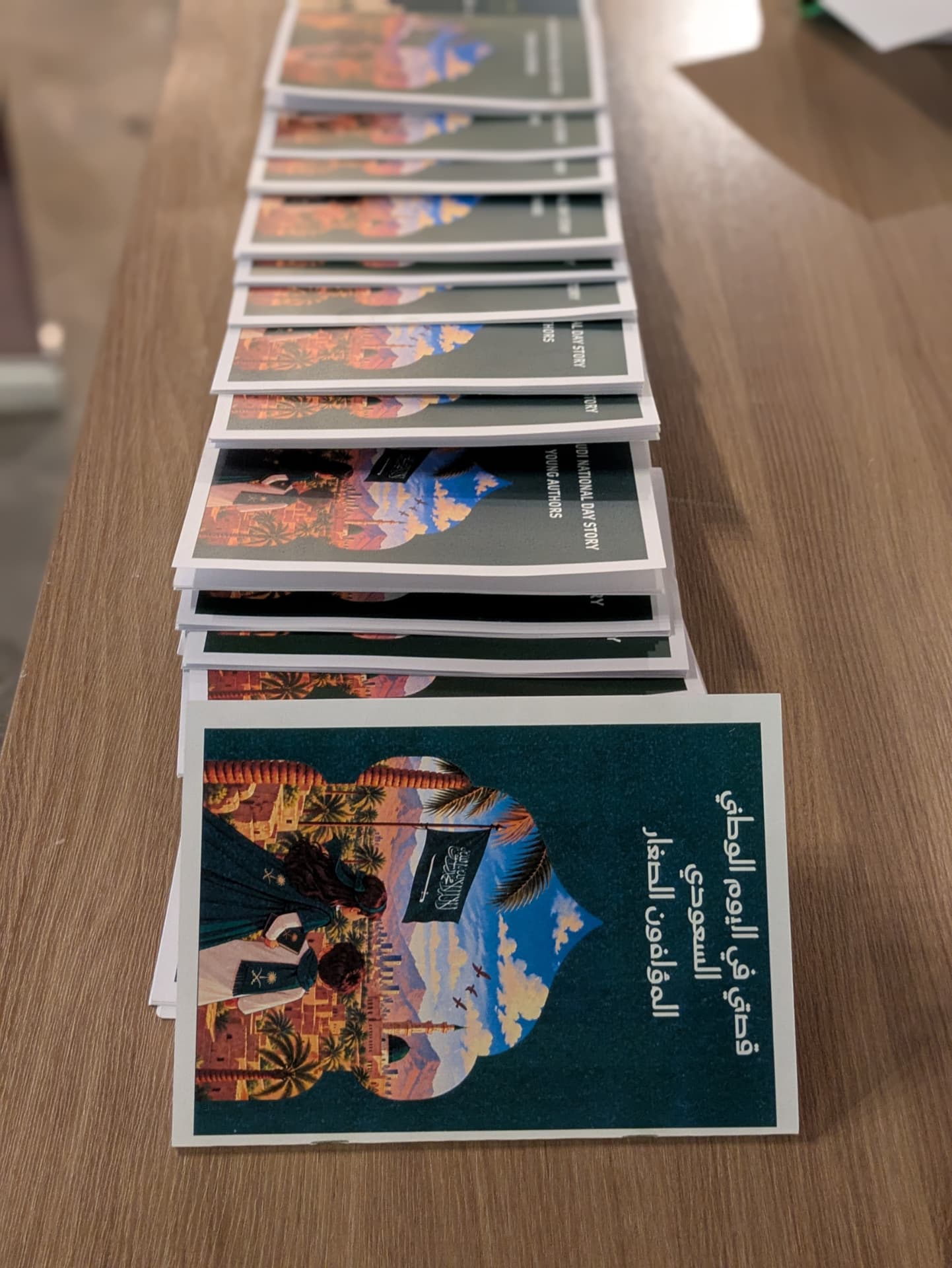
- Printed storytelling booklets: tactile, beautifully designed physical booklets (“قصتي في اليوم الوطني السعودي”) where children could sketch, write in Arabic, and construct a keepsake they could hold in their hands.
This hybrid approach bridged digital literacy with the sensory pride of physical bookmaking. Every child walked away not just with memories of National Day, but with an original book they could proudly take home to their families and call their own.
Real-time publishing: the “Saudi Storytellers” library
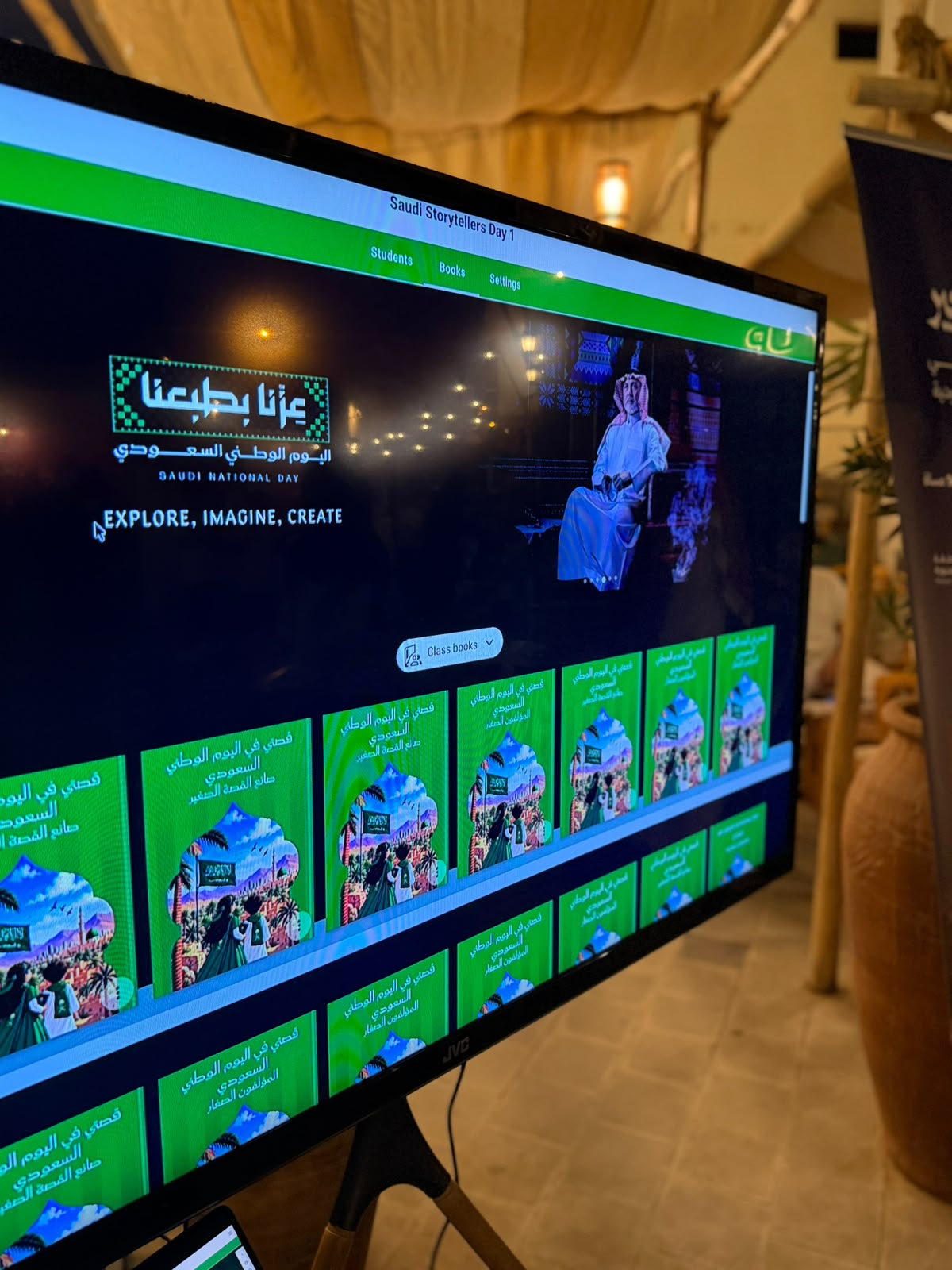
One of the most inspiring moments of the activation was seeing the children’s books instantly published to the live digital bookshelf on display at the venue. Within minutes of finishing, a child could see their own title on a public shelf alongside their peers — a small but powerful shift from participant to published young author.
The three pillars of participatory engagement
Watching over 200 young authors at work highlighted why participatory storytelling creates lasting impact:
- Agency over memorization: when children write about their culture, they internalize its values far more deeply than through passive consumption.
- Pride in local voice: giving children a structured platform to write in their own voice fosters pride in their identity, heritage, and community.
- A scalable participation layer: cultural spaces and civic programmes can easily turn large public celebrations into measurable, high-impact youth engagement.
This is the same model we bring to museums and heritage sites through inclusive museum learning and our solutions for museums — and the same participation data that makes it possible to measure educational impact beyond visitor numbers.
Gratitude & partnerships
An initiative of this scale is only possible with visionary partners who believe in the creative potential of youth.
A special thank you to Safiyah, CEO of HDC | Hayy Development Company, Deputy Mayor Saad Ibrahim Shafee, the Madinah Regional Municipality, and Bassem Child Care for the opportunity, trust, and shared commitment to empowering young voices in Al Madinah.
If you are planning a festival, national celebration, or museum programme and want young visitors to leave as authors, get in touch to explore a pilot with Kalima Create.
Want to bring participatory storytelling to your institution?
Explore a PilotRelated reading
- From Museum Visitor to Young Author: Inside Our Storytelling Workshop at the Red Sea MuseumWhat happens when children do not just explore a museum, but create something personal from what they discover? Here is what happened when we brought participatory storytelling to the Red Sea Museum in Jeddah.
- The Biggest Missed Opportunity in Museum Education Happens After the VisitMuseums invest heavily in the visit itself, but the moment the school bus leaves is often where engagement ends. What if leaving the museum was the beginning of the next stage?
- How Museums Can Measure Educational Impact Beyond Visitor NumbersVisitor numbers show who came, not what changed. Here are the participation metrics museums can use to measure real educational impact — and build a living cultural archive.