September 30, 2026 · 4 min read · Babar Baig
From Museum Visitor to Young Author: Inside Our Storytelling Workshop at the Red Sea Museum
What happens when children do not just explore a museum, but create something personal from what they discover? Here is what happened when we brought participatory storytelling to the Red Sea Museum in Jeddah.
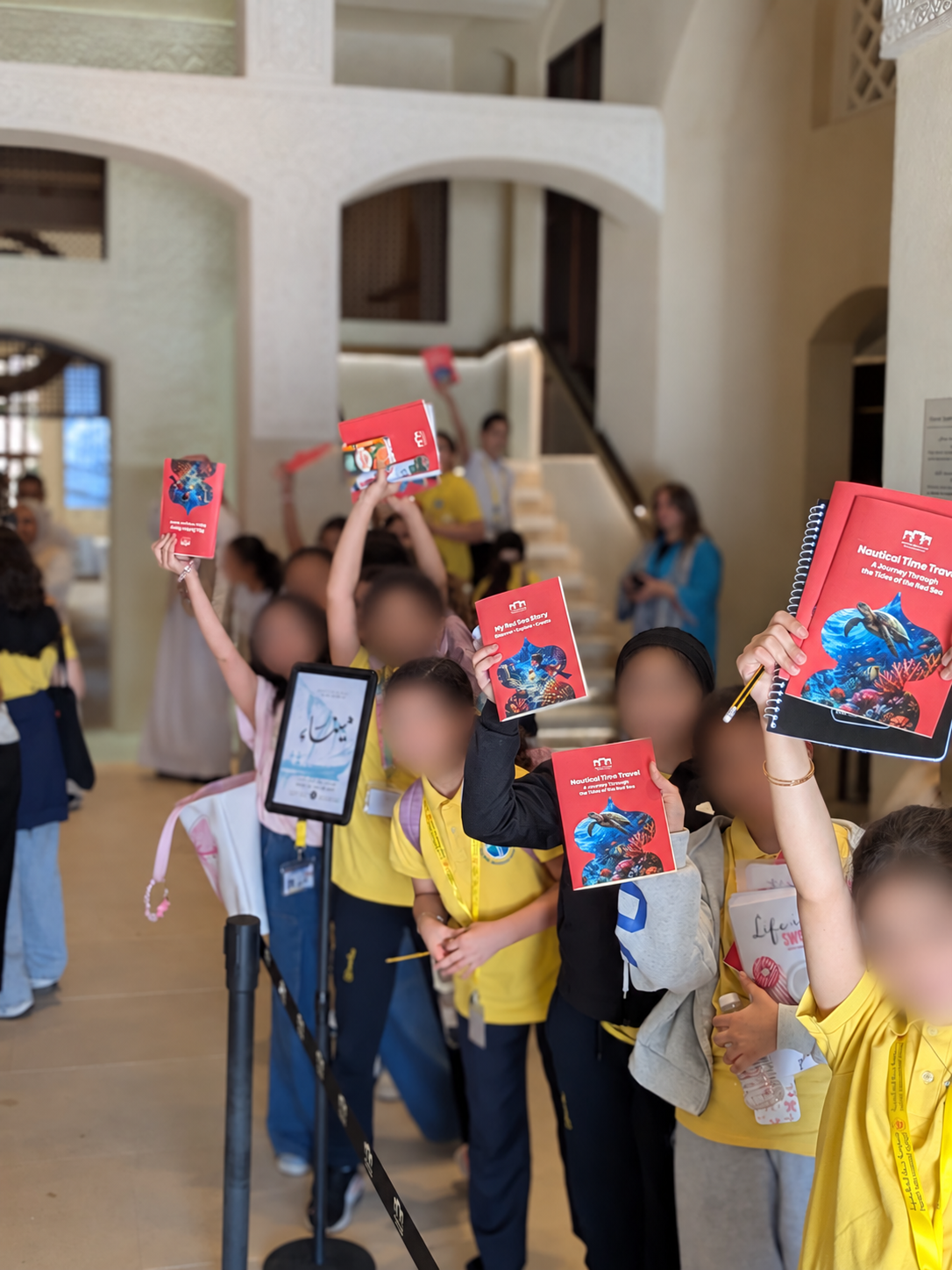
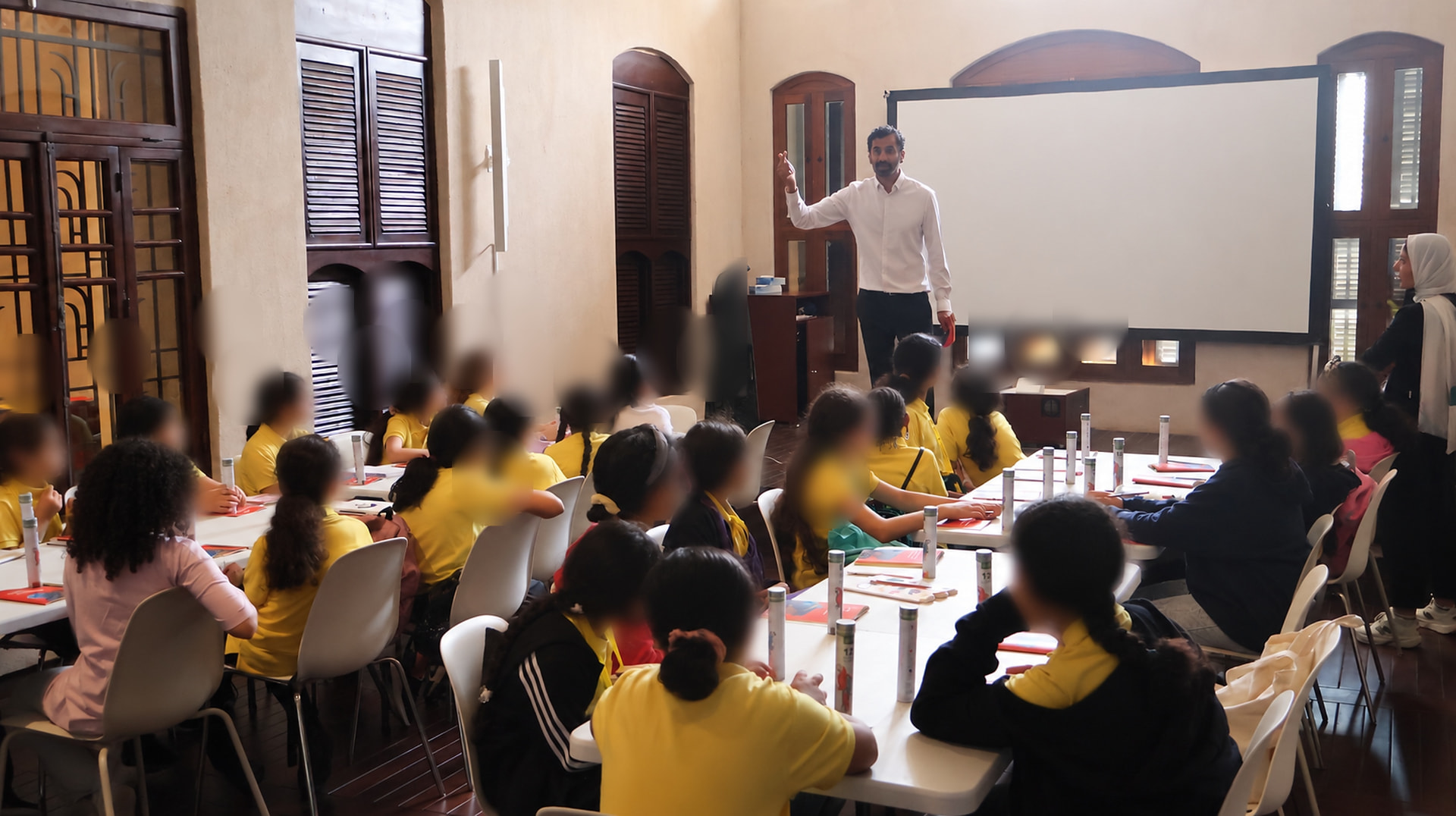
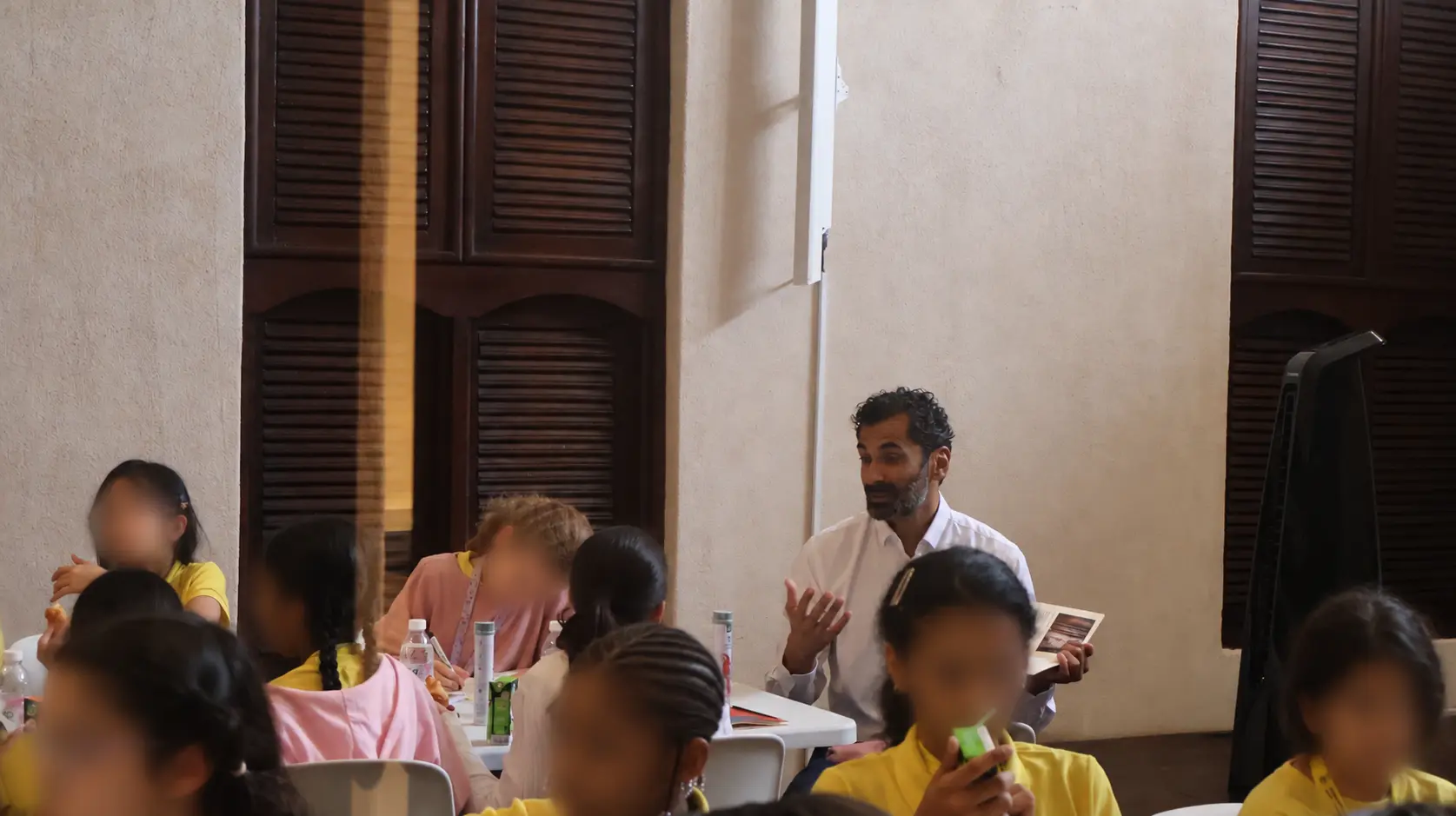
Recently, we had the wonderful opportunity to bring the KalimaCreate approach to life with a hands-on children’s storytelling workshop at the Red Sea Museum in Jeddah.
What happens when children don’t just explore a museum — but create something personal from what they discover?

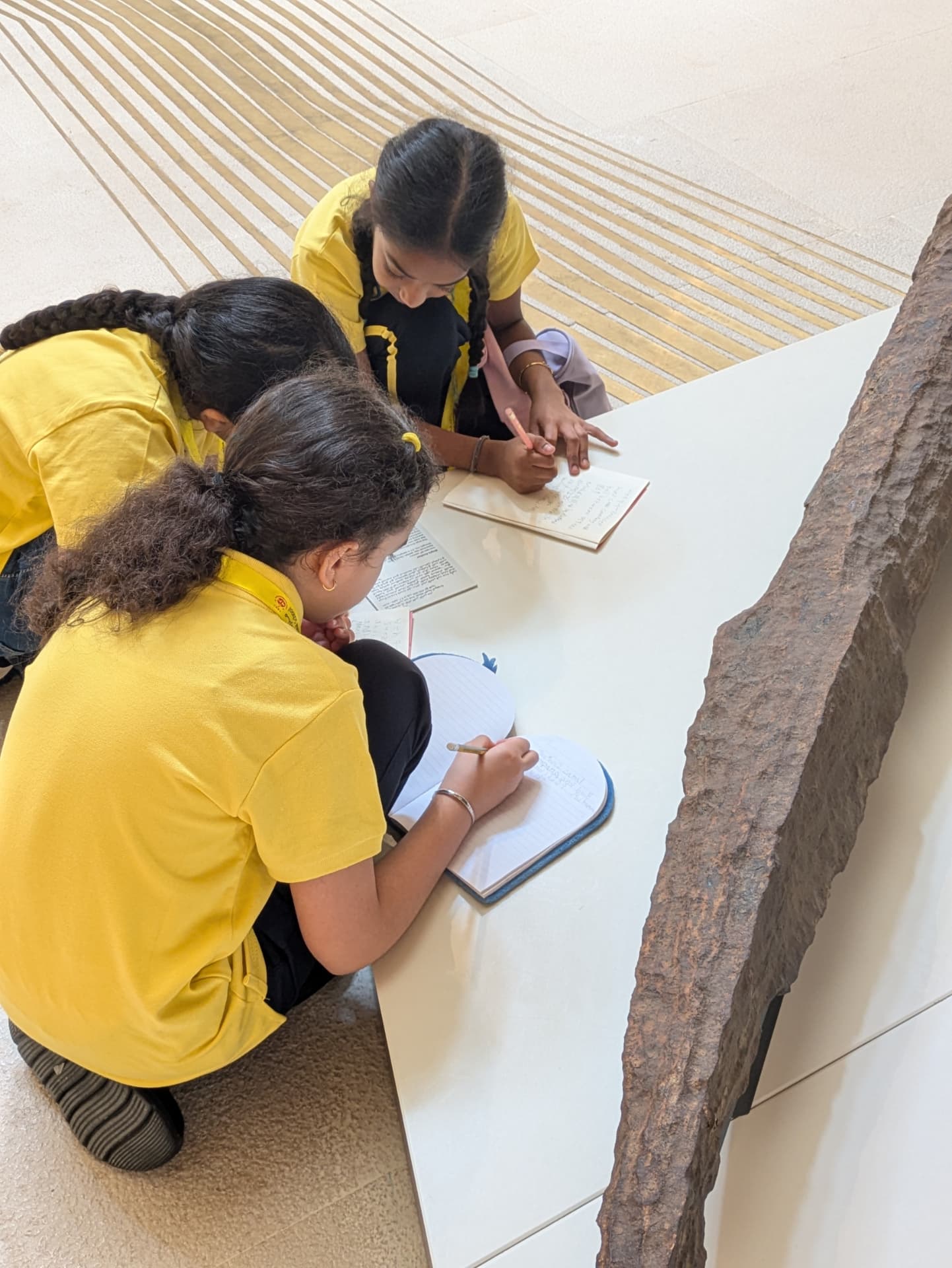
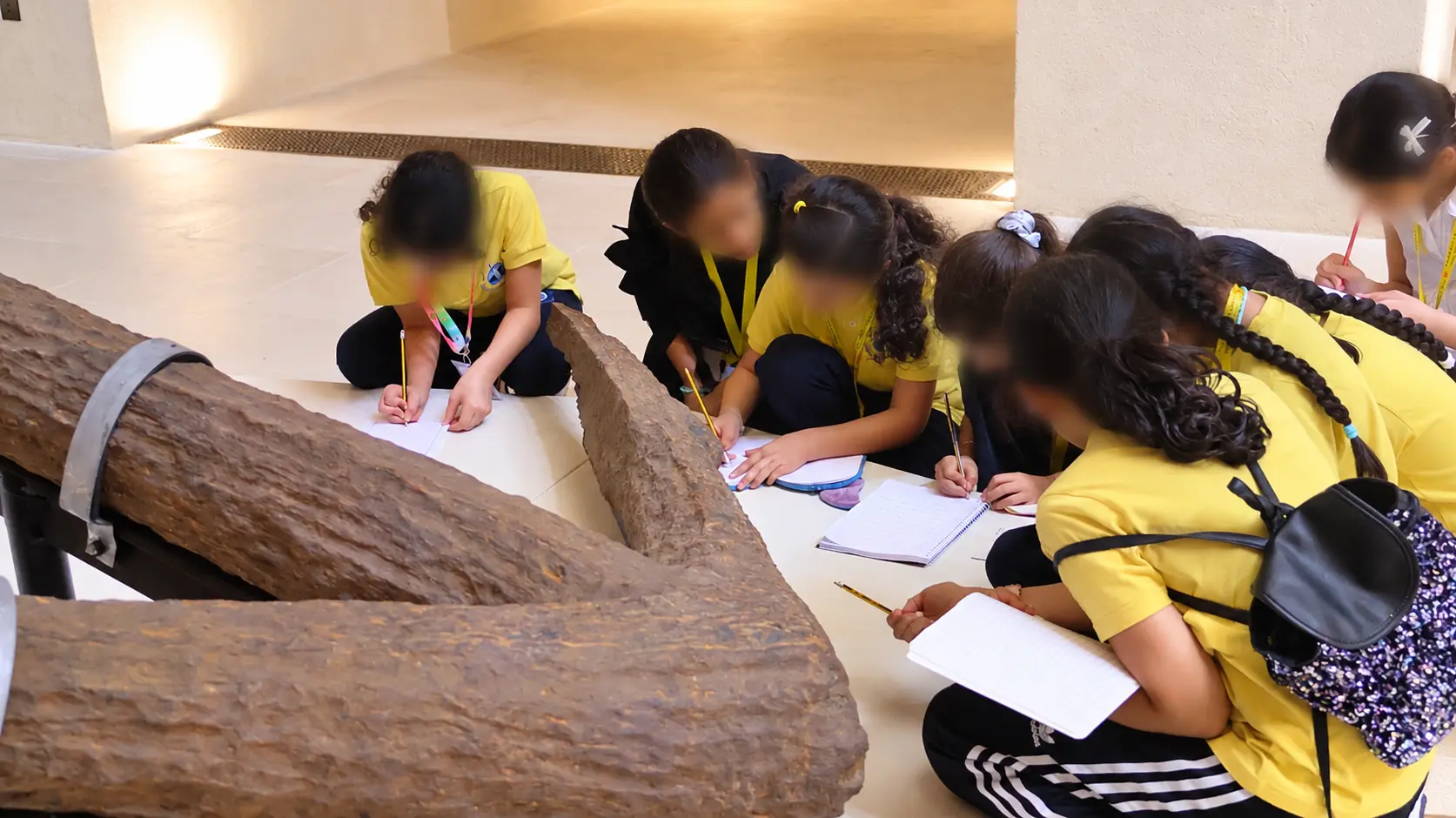
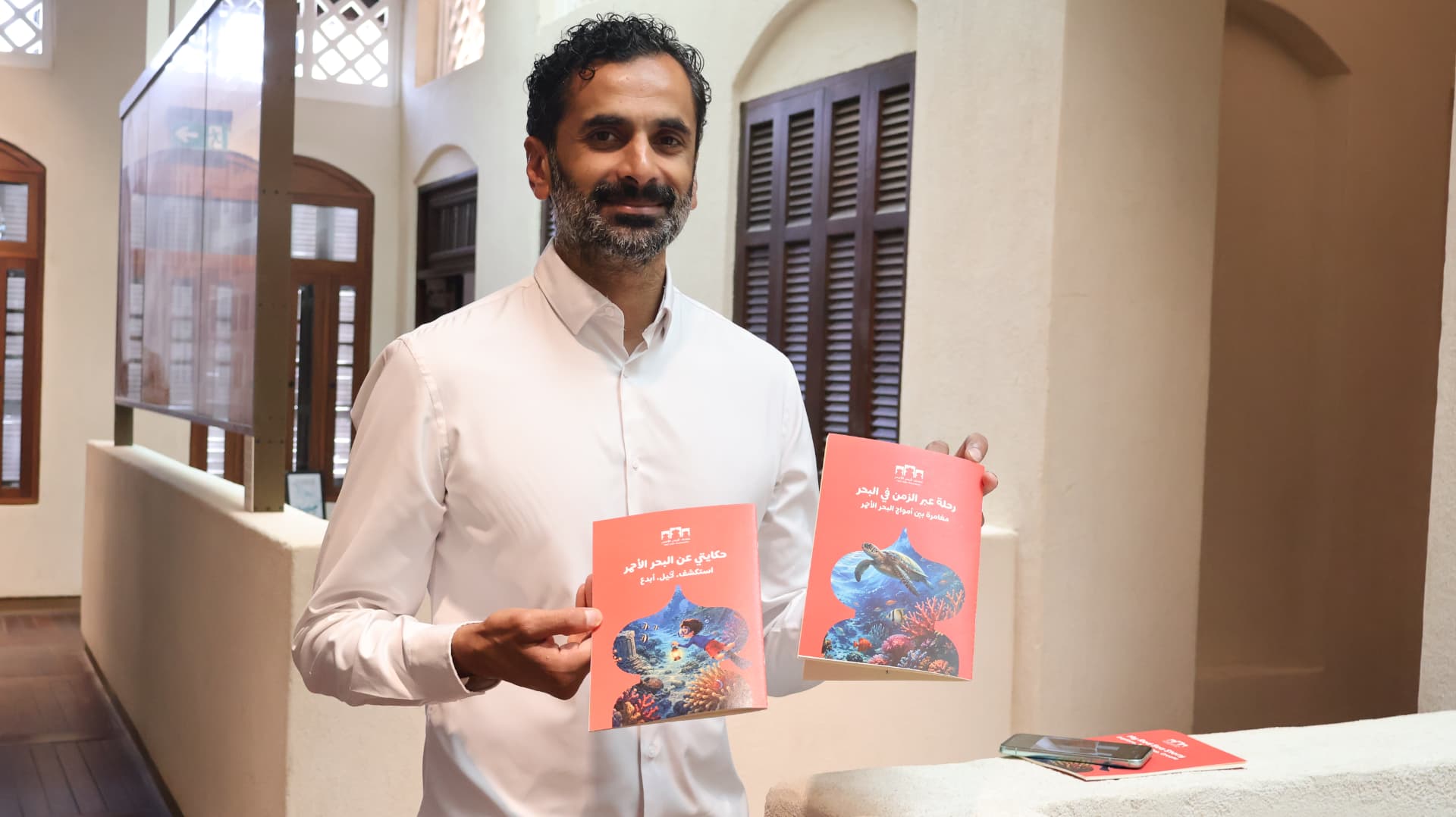
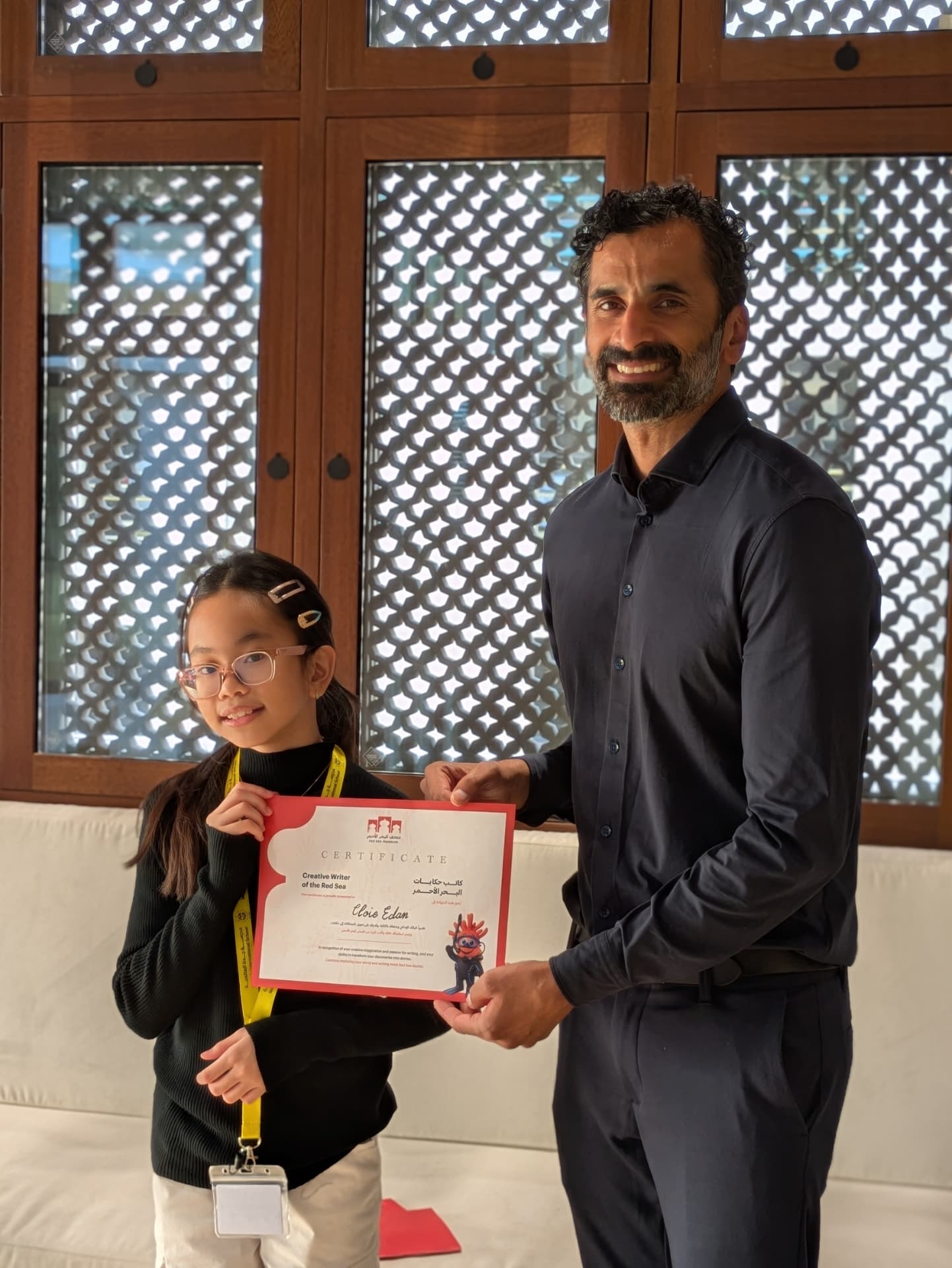
Moving from observation to creative exploration
At the Red Sea Museum, young visitors set out to explore the rich marine life, biodiversity, and cultural heritage of the Red Sea. They observed the collections, examined the marine ecosystem, and asked questions about the stories behind each display.
Then, the dynamic shifted. Instead of wrapping up the tour with a passive exit, the children transitioned from visitors to storytellers.
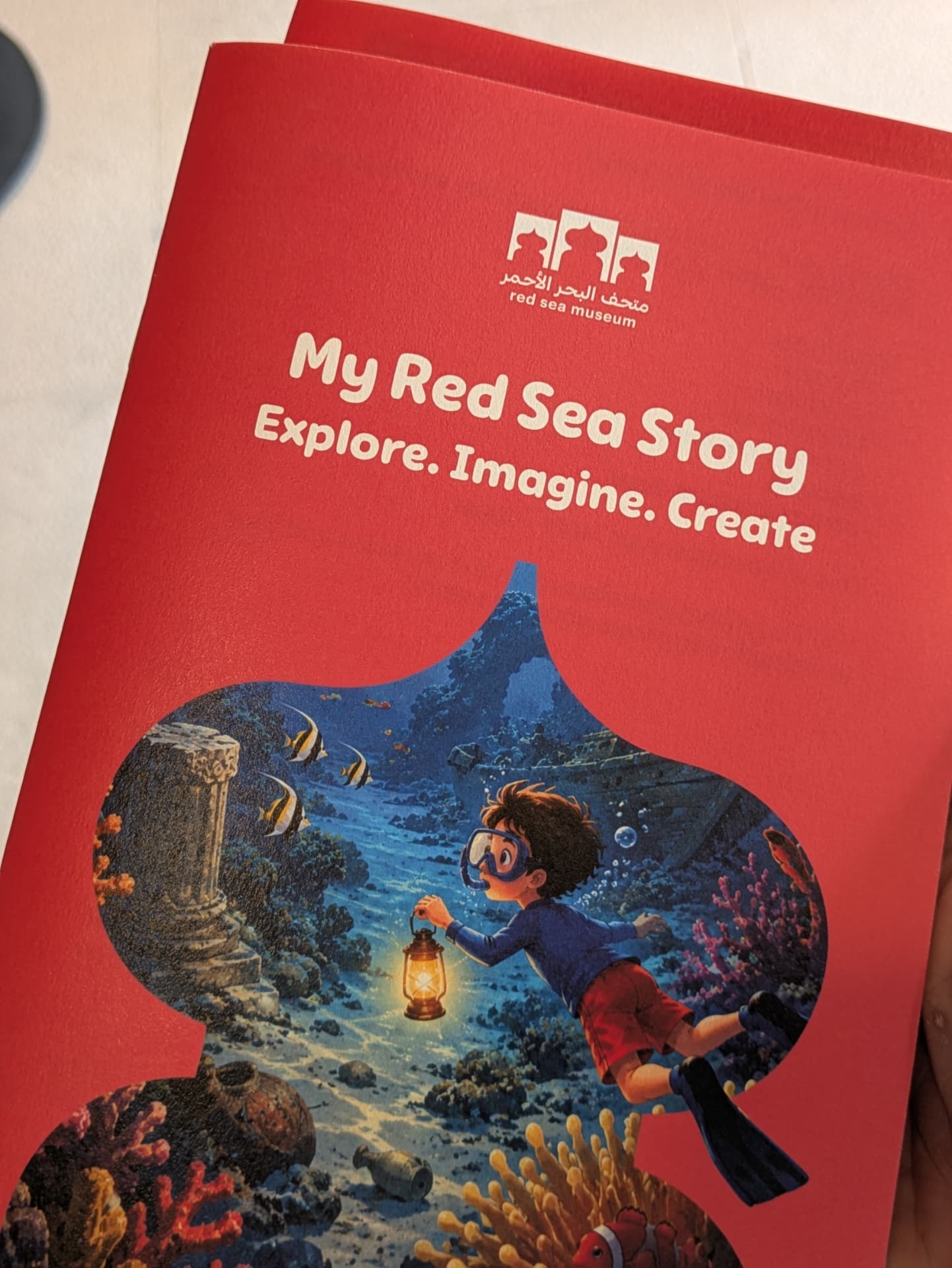
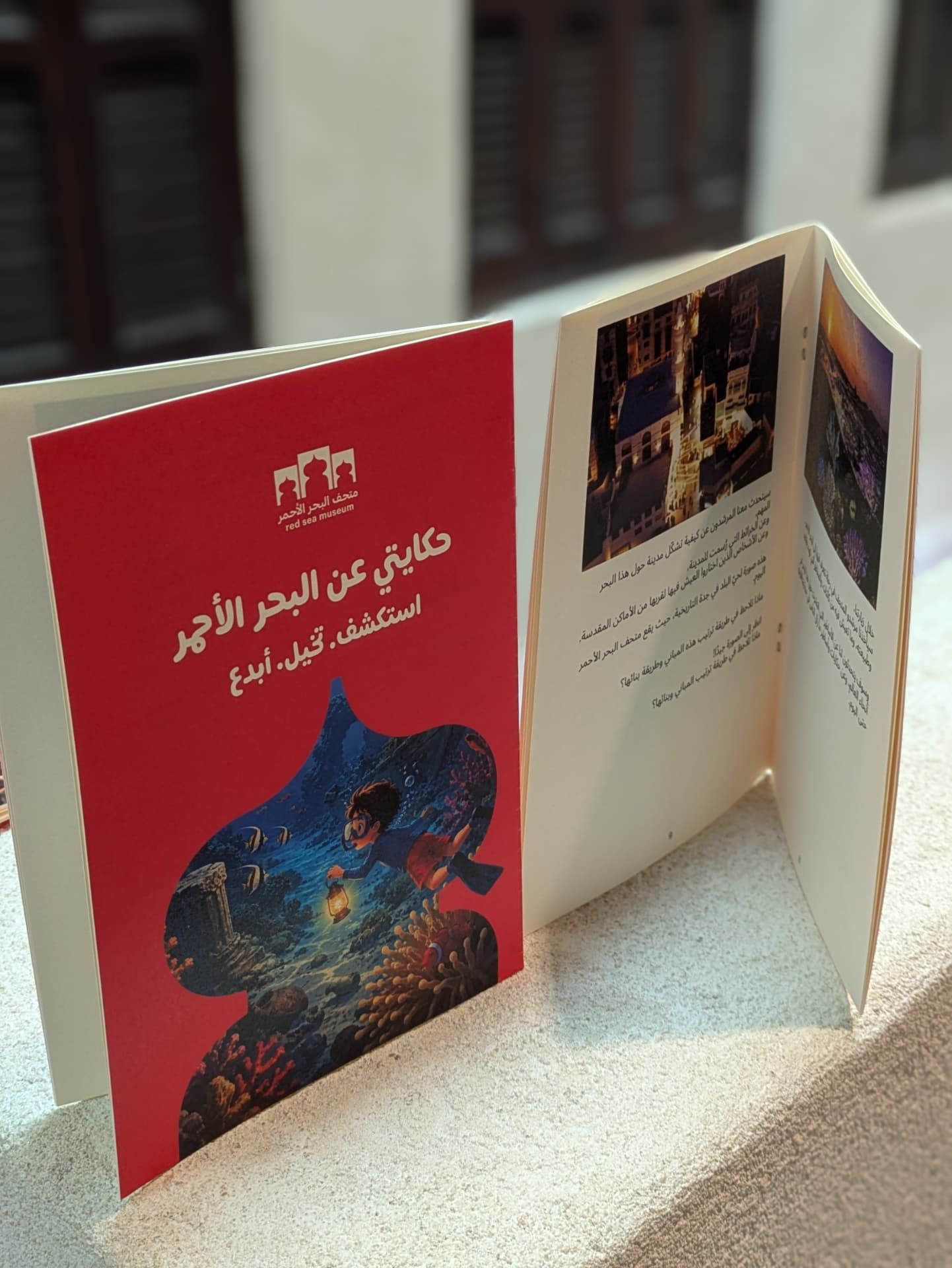
"My Red Sea Story"
Each child created their own book titled "My Red Sea Story", combining creative writing, original illustrations, and personal imagination to articulate what resonated with them most. Some focused on deep-sea creatures and conservation; others wove historical narratives around coastal traditions and seafaring tales.
What made this exercise so compelling was seeing how differently children interpreted the exact same exhibition. A single visit didn’t produce one uniform takeaway — it generated dozens of unique, expressive perspectives.
The KalimaCreate Cycle: Visit → Discover → Create → Share
This workshop embodies the core four-step model we are building at KalimaCreate:
- Visit: Stepping into an inspiring cultural or heritage space.
- Discover: Engaging with artifacts, ecology, and living history through guided curiosity.
- Create: Turning personal reflections into published books and original stories.
- Share: Taking that physical or digital creation home to share with families, classmates, and the wider community.
Instead of the educational impact ending when the children leave the museum doors, their observations become lasting stories they can hold in their hands, discuss with their parents, and proudly share.
Building Living Libraries of young voices
We are working toward turning these initiatives into ongoing Living Libraries — growing cultural archives where young people’s voices and books become an active, celebrated part of the museum itself.
When cultural institutions provide children with the tools to become authors of their own heritage, museums don’t just teach history or science — they cultivate lifelong cultural contributors. It is also one of the clearest ways to measure educational impact beyond visitor numbers.
A warm thank you to the team at the Red Sea Museum for welcoming us and championing participatory museum learning.
Interested in running a storytelling workshop or a participatory programme at your museum? Start a pilot conversation with us.
Want to bring participatory storytelling to your institution?
Explore a PilotRelated reading
- The Biggest Missed Opportunity in Museum Education Happens After the VisitMuseums invest heavily in the visit itself, but the moment the school bus leaves is often where engagement ends. What if leaving the museum was the beginning of the next stage?
- How Museums Can Measure Educational Impact Beyond Visitor NumbersVisitor numbers show who came, not what changed. Here are the participation metrics museums can use to measure real educational impact — and build a living cultural archive.
- Pre-Visit Engagement: How Museums Should Prepare Children Before They ArriveThe museum visit often begins too late. Here's why pre-visit engagement makes children's museum experiences richer, more inclusive, and more memorable.